A dehumidifier pulls humid air over cold coils, drops the air below its dew point so water vapor condenses into liquid, collects that water in a tank or drains it out, and then reheats the now-dry air before returning it to the room. The exhaust air comes out 2–5°F warmer and noticeably drier than what went in, and the cycle repeats continuously until the room reaches the target humidity level set on the humidistat.
That is the essential answer. The sections below explain each step in more detail, cover how desiccant models differ, and walk through how to choose the right capacity for a standing dehumidifier in a specific room or basement.
Most standing dehumidifiers, from small 20-pint bedroom units to large 70-pint basement models, run on the same vapor-compression refrigeration cycle used in air conditioners and refrigerators. Understanding it fully takes about five steps.
An internal fan pulls warm, moisture-laden room air into the unit through an intake grille. This is purely mechanical air movement; nothing has happened to the humidity yet.
The incoming air passes across the evaporator coils, which are chilled by refrigerant (typically R-410A or R-32) to around 35–45°F. Because cold air cannot hold as much moisture as warm air, the water vapor in the airstream condenses into liquid droplets on the coil surface — exactly the same physics that forms condensation on a cold glass on a humid day. This is where the actual dehumidification happens.
The liquid water droplets fall by gravity off the evaporator coils into a drip tray and drain into a collection bucket inside the unit. Most standing dehumidifiers also have a continuous-drain port that accepts a standard garden hose, routing water directly to a floor drain so the bucket never needs manual emptying. A typical 50-pint unit collects roughly 6 gallons per day at rated conditions.
The now-dry but cold air continues through the unit and passes across the condenser coils, which are on the hot side of the refrigeration circuit. The condenser warms the air back up before it exits the unit. This is a deliberate design feature: returning cold air to the room would make the space feel like an air conditioner. By reheating through the condenser, the unit releases air that is drier than when it entered and only slightly warmer.
The compressor continuously circulates refrigerant between the evaporator (where it expands into a cold gas, absorbing heat) and the condenser (where it compresses back into a hot liquid, releasing heat). The humidistat monitors room humidity; when the target level is reached, the compressor shuts off and the fan may continue to circulate air briefly before stopping.
A smaller portion of standing dehumidifiers use a desiccant rotor instead of refrigerant coils. In these units, humid air passes through a slowly rotating wheel impregnated with silica gel or a similar moisture-absorbing material. The desiccant wheel adsorbs water vapor from the incoming air, and a separate heated airstream regenerates the wheel by driving off the captured moisture, which is then condensed and collected.
The practical difference between the two types comes down to operating temperature. Refrigerant-based units lose efficiency quickly as room temperature drops, and at temperatures below around 50°F the evaporator coils begin to ice over, triggering a safety shutoff that leaves the unit running but not dehumidifying. Desiccant units are not limited by this problem and work at any temperature, which makes them the better choice for unheated garages, cold storage rooms, or crawl spaces that stay below 55°F.
The trade-off is that desiccant units typically top out at 20–35 pints of daily removal capacity and use somewhat more energy per pint extracted compared to a well-matched refrigerant unit operating in its ideal temperature range.
Standing dehumidifiers are sized by pints per day (PPD) — the volume of water they can remove from the air in 24 hours at rated conditions. Getting this figure right matters more than brand or feature list, since an undersized unit runs continuously without fully controlling humidity, while an oversized unit short-cycles and may leave humidity uneven across a large space.
There is also an important note on rating standards: the DOE changed dehumidifier testing conditions in 2019-2020. Units are now tested at 65°F and 60% relative humidity instead of the older 80°F and 60% RH standard. This means a unit labeled "50 pints" today performs equivalently to what was formerly labeled "70 pints." Comparing a current model's pint rating to an older recommendation without accounting for this change will result in undersizing by roughly 30%.
| Space | Moderately damp | Very damp / musty | Wet / seepage present |
|---|---|---|---|
| Bedroom / small room (up to 500 sq ft) | 20–25 pints | 25–30 pints | 30 pints |
| Living area / medium space (500–1,000 sq ft) | 25–35 pints | 35–45 pints | 45–50 pints |
| Basement / open lower level (1,000–1,500 sq ft) | 35–50 pints | 50–70 pints | 70 pints or multiple units |
Basements consistently need more capacity than the same square footage on an upper floor because concrete walls and floors continuously emit ground moisture, air circulation is limited, and cooler basement temperatures reduce the refrigerant unit's actual extraction rate by 20–30% below its rated lab performance.
Placement affects performance more than most buyers expect. A few practical rules reduce the chance of a correctly-sized unit underperforming.
The EPA and CDC both recommend maintaining indoor relative humidity between 30% and 50% to limit mold growth, reduce dust mite activity, and keep air comfortable. Most standing dehumidifiers have a built-in humidistat that lets you dial in a target RH; the compressor cycles on and off automatically to hold that level rather than running continuously.
A simple digital hygrometer, available for under $15, is worth placing in the room to verify what the dehumidifier's internal sensor is actually reading in the problem area, since the sensor inside the unit measures only the air it is directly drawing in, not necessarily the humidity in a far corner where mold or dampness may be developing. If the room consistently reaches target humidity and the unit cycles off cleanly, the capacity match is correct. If the unit runs continuously without the humidity dropping, the space either needs a higher-capacity unit or has an active water intrusion problem that a dehumidifier alone cannot solve.
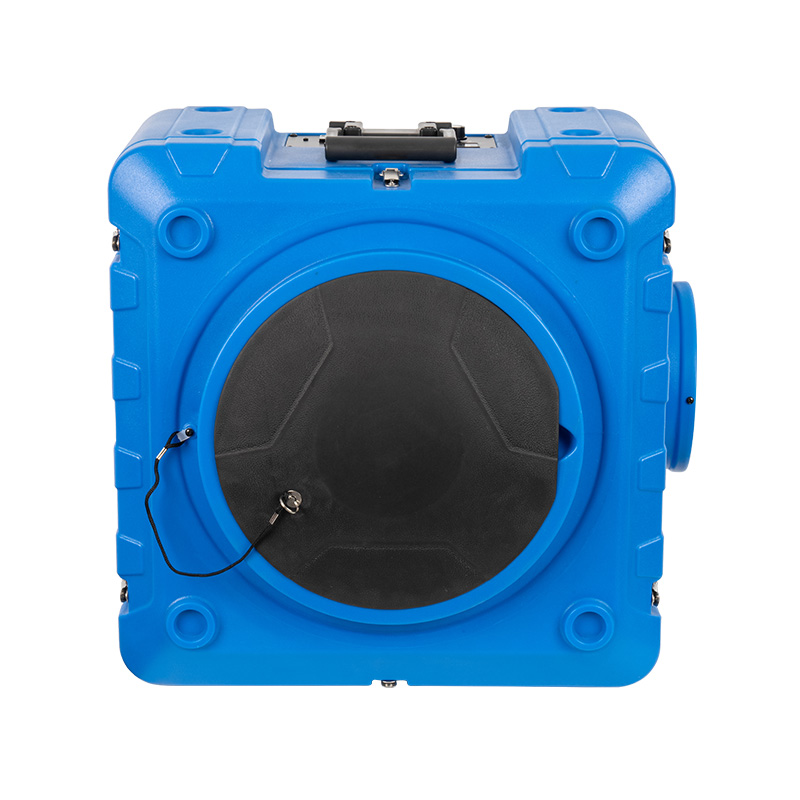
Tre-trinns filtrering: Luftskrubberen har et tre-trinns filtreringssystem som inkluderer et forfilter (MERV-10), kullfilter og H13 HEPA-filter. Den fjerner effektivt støv, pollen, røyk og lukt samt...
Se detaljer
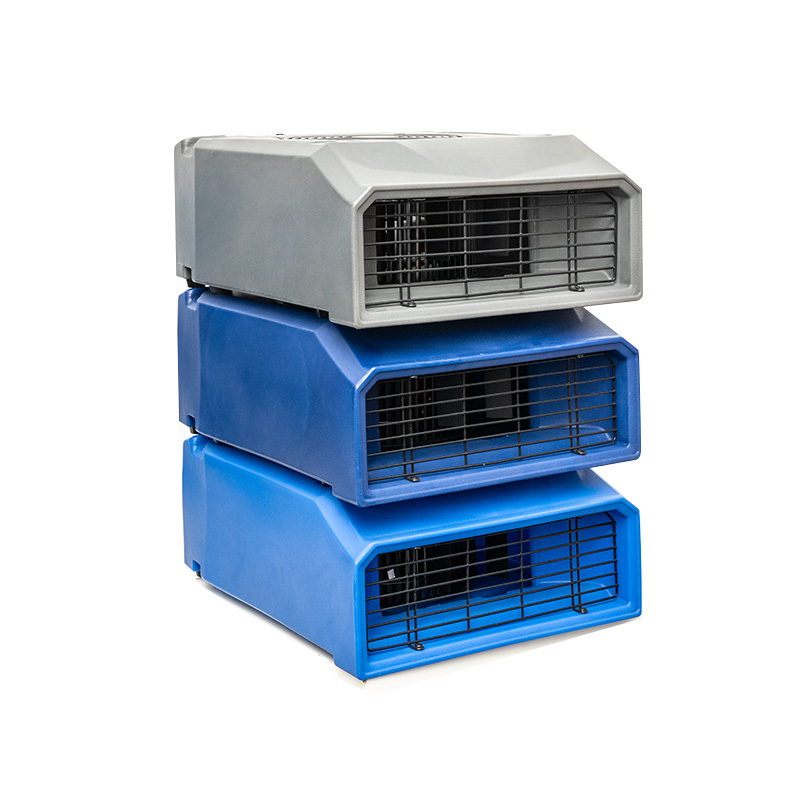
AM-B01 høyt luftvolum tynne teppetørkere er utstyrt med en kraftig motor som genererer et høyt volum av luftstrøm for å sikre at teppet ditt tørker grundig og raskt. Dette høye luftvolumet akselere...
Se detaljer
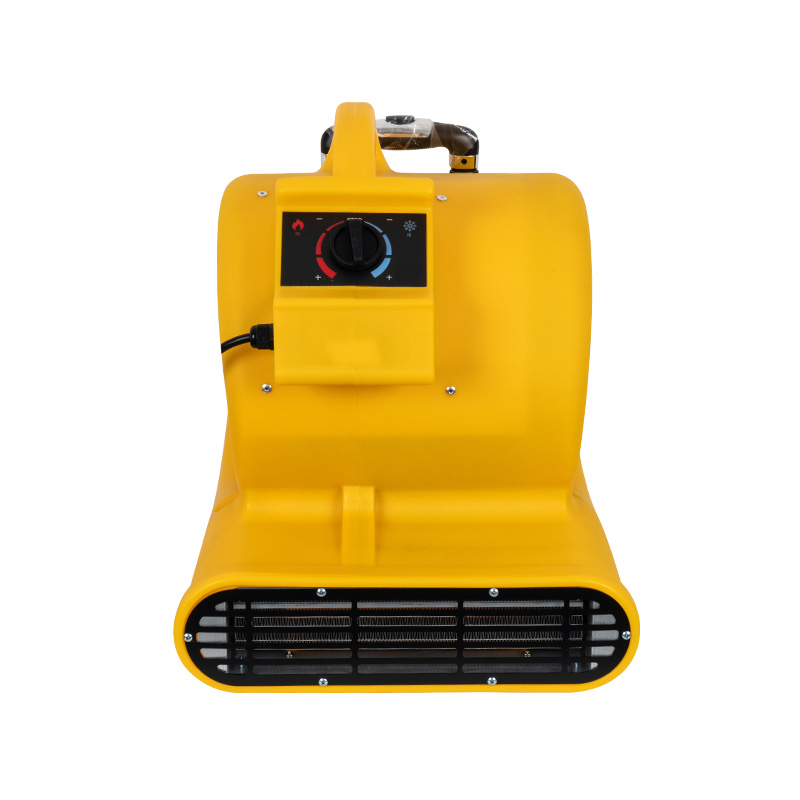
AM-A01 varme og kalde teppetørkevifter er allsidige enheter designet for å fremskynde teppetørkeprosessen ved å bruke varm og kald luft. Ved å kombinere fordelene med varm og kald luftsirkulasjon, ...
Se detaljer
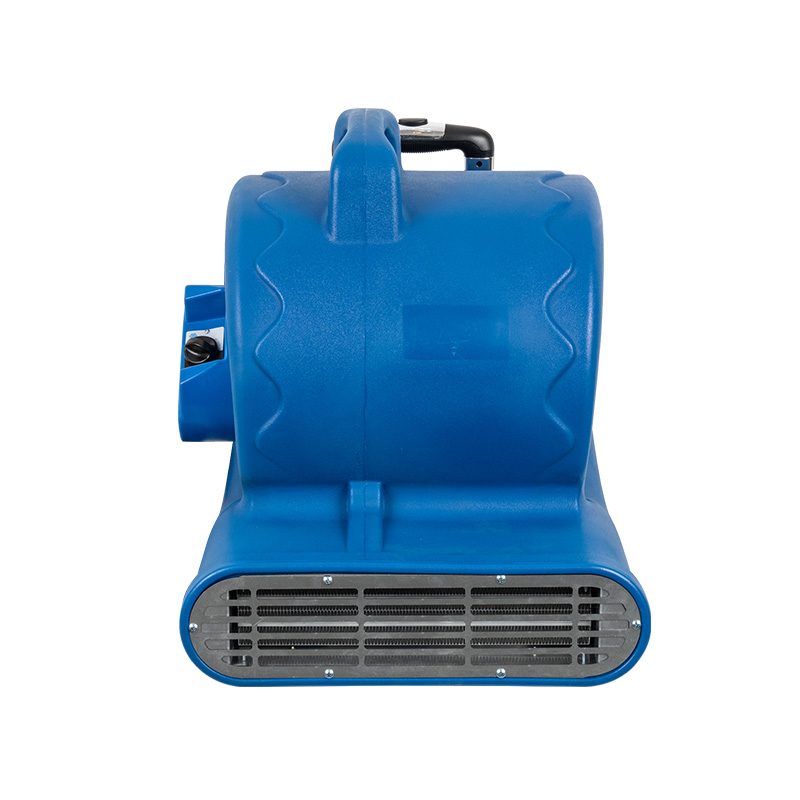
AM-A02 Multi-wing Sentrifugal Wind Wheel Teppetørker øker effektivt vindkraft og luftstrøm for raskere og mer effektiv teppetørking gjennom bruk av multi-wing sentrifugal vindhjulsteknologi. Gjenno...
Se detaljer
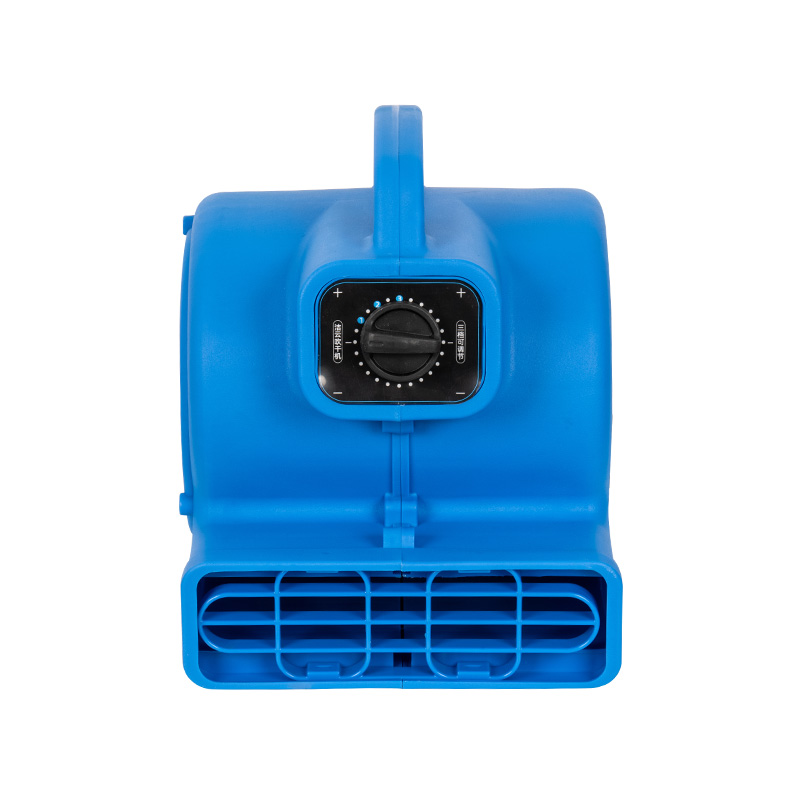
AM-A03 Small Axial Floor Teppetørker er en svært effektiv og allsidig tørkeenhet med en sentrifugalluftbeveger for raskere overflatetørking. Ikke bare er den egnet for tørking av tepper, gulv, møbl...
Se detaljer
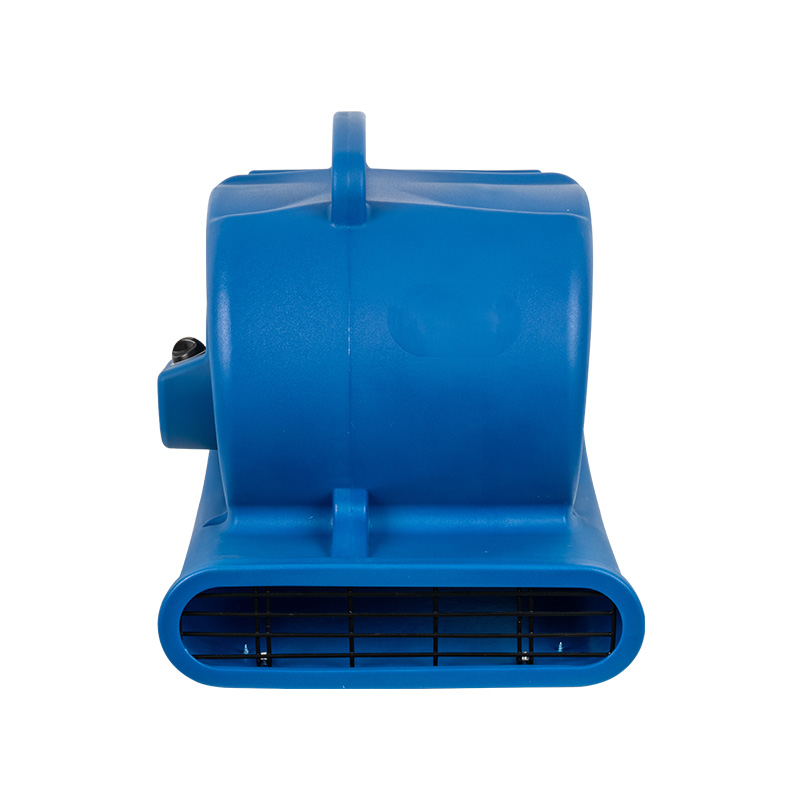
AM-A04 lettvekts bærbare teppevegggulvtørker har avansert sentrifugalluftbevegelsesteknologi for raskere overflatetørkeresultater. Ikke bare er den egnet for et bredt spekter av tørkeoppgaver for t...
Se detaljerButikkinformasjon
nr. 88, Yuexin Road, Sanjiang Street, Shengzhou City, Shaoxing City, Zhejiang-provinsen, Kina
+86-13819532379
Lenker
Produkter
Mobilterminal